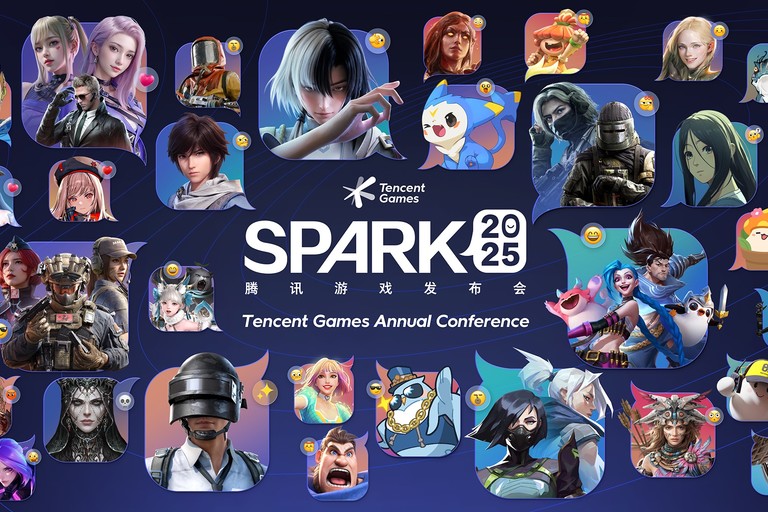
The digital world of independent game development is often celebrated for its agility, innovation, and direct connection between creators and players. Yet, even in this vibrant landscape, the shadows of larger corporate interests loom large. The recent disappearance of Highguard, a studio that had positioned itself within the indie scene, has brought this reality into sharp focus. After reports surfaced revealing the significant financial backing from Chinese tech giant Tencent, the studio's sudden vanishing act – marked by offline websites, deleted accounts, and radio silence – has sparked widespread speculation. The central question now revolves around whether a critical 'tencent finanzierung gestrichen' event (Tencent funding cut) ultimately sealed Highguard's fate.
The Digital Disappearance Act of Highguard: A Modern Ghost Story
In the fast-paced and often volatile world of video game development, studios can sometimes fade into obscurity, but Highguard's vanishing was particularly abrupt and perplexing. What began with whispers of mass layoffs quickly escalated into a full-scale digital erasure. Developer accounts linked to the studio were reportedly deleted, and then, most tellingly, Highguard's official website went dark, presenting visitors with nothing more than a cryptic error message. The studio, once seemingly on the cusp of unveiling its projects, now exists in a state that has been aptly described as a "Schrödinger's cat" of the gaming world – simultaneously alive and dead until clarity emerges.
Adding to the confusion was a brief period where the Discord button on the defunct website redirected to an unrelated server, 'High Guard Gaming Guild,' before being corrected. Such oversights in a time of crisis suggest either disarray or a complete abandonment of communication channels. The lack of an official statement from Highguard or its now-revealed benefactor, Tencent, has left a void, allowing speculation to flourish. This sudden cessation of operations, following the 'revelation' of Tencent's funding, points strongly towards a scenario where the financial tap was, in essence, turned off. The phrase 'tencent finanzierung gestrichen' encapsulates the grim reality that many small studios face when major funding is withdrawn.
The Indie Label: A Shield or a Strategy?
Highguard's initial portrayal as an 'indie studio' is particularly noteworthy in light of Tencent's involvement. The term 'indie' typically evokes images of small, passionate teams operating autonomously, often on shoestring budgets. However, Tencent, a global behemoth with vast investments across the gaming industry, from Epic Games to Riot Games, operates on an entirely different scale. When a company of Tencent's magnitude funds an 'indie' studio, it blurs the lines significantly. Was Highguard truly independent, or was its 'indie' facade a strategic positioning while benefiting from the deep pockets and strategic guidance of a corporate giant?
This dynamic highlights a broader trend in the gaming industry where larger entities seek to harness the creativity and innovation of smaller studios without necessarily integrating them fully into their corporate structure. For developers, such backing can provide crucial resources, stability, and access to markets that would otherwise be unattainable. However, it also comes with inherent risks, including potential loss of creative control and the ever-present danger that if strategic objectives shift, or if projects fail to meet performance expectations, the funding lifeline can be severed, leading to a situation precisely like 'tencent finanzierung gestrichen'.
Decoding the "Tencent Finanzierung Gestrichen" Mystery
The disappearance of Highguard, immediately following the revelation of its Tencent funding, naturally leads to the conclusion that a 'tencent finanzierung gestrichen' decision played a pivotal role in its demise. But what could prompt a company as influential as Tencent to withdraw support from a studio, especially one it was investing in?
- Strategic Re-evaluation: Tencent is constantly optimizing its vast portfolio. It's possible Highguard's project or strategic direction no longer aligned with Tencent's broader investment goals, perhaps due to shifts in market trends, internal restructuring, or a pivot towards different gaming genres or platforms.
- Performance Issues: Despite initial promise, Highguard's projects might not have met internal milestones or projected performance targets. In the highly competitive gaming industry, even well-funded projects can struggle to find their footing or deliver anticipated results.
- Market Conditions: The global economic climate, while not always directly impacting tech giants, can influence investment strategies. A tightening of belts or a more cautious approach to new ventures could lead to a pruning of less critical investments.
- Lack of Synergy: The studio's culture or operational methods might not have integrated well with Tencent's expectations or reporting structures, leading to friction that ultimately proved unsustainable.
Whatever the exact reasons, the impact of a 'tencent finanzierung gestrichen' event is profound. For the studio, it means immediate collapse and job losses. For the developers, it means uncertainty and the difficult task of finding new opportunities. For the industry, it serves as a stark reminder of the power dynamics at play, even in the supposedly free-spirited indie sector. Funding decisions, whether for a promising game studio or vital cultural institutions, often ignite broader debates and have far-reaching consequences. For instance, recent events concerning Gütersloh's Stalag 326 Memorial Funding Cut Ignites Political Storm in Germany, and the general challenges facing German Remembrance Culture Faces Setback with Stalag 326 Closure, highlight how financial backing is not just about money, but about the very survival of projects, ideas, and even historical narratives across diverse sectors.
The Ripple Effect: What Highguard's Fate Means for Gaming
Highguard's disappearance, seemingly precipitated by a 'tencent finanzierung gestrichen' decision, carries significant implications for the wider gaming ecosystem:
- Increased Scrutiny on Indie Funding: Developers seeking funding from major publishers will likely face tougher questions about long-term sustainability and exit strategies. The allure of big money comes with the inherent risk of its withdrawal.
- Transparency Concerns: The initial 'indie' positioning followed by the Tencent revelation raises questions about transparency in funding. While not legally required, greater clarity around financial backing could foster more trust within the community and manage expectations for players.
- Developer Precarity: The mass layoffs and swift digital disappearance underscore the often precarious nature of employment in the gaming industry, especially for studios reliant on a single major investor. This situation highlights the importance of diversified funding and robust contracts.
- Investor Confidence: For other investors, this incident might prompt a re-evaluation of how they manage and communicate their investments in smaller studios, especially concerning their 'indie' branding.
Tips for Indie Developers in a Volatile Landscape:
In light of Highguard's fate, indie developers should consider the following:
- Diversify Funding Sources: Relying solely on one major investor can be risky. Explore grants, crowdfunding, self-publishing, and other avenues to maintain greater autonomy.
- Understand the Terms: Fully comprehend the terms of any investment, including milestones, performance clauses, and potential exit strategies for both parties. Legal counsel is invaluable here.
- Maintain Autonomy Where Possible: Negotiate for creative and operational independence, even with major funding. Define clear boundaries and decision-making processes.
- Build a Strong Community: A loyal player base and a supportive developer community can be a vital safety net, offering support and even alternative funding if primary sources dry up.
- Plan for Contingencies: Always have a contingency plan. What happens if funding is cut? How can the team transition? What are the intellectual property rights?
The case of Highguard serves as a potent reminder that while major investments can provide unprecedented opportunities, they also carry inherent vulnerabilities. The suddenness of its disappearance, intertwined with the revelation of Tencent's backing, underscores the critical impact of financial decisions, encapsulated by the term 'tencent finanzierung gestrichen', on the delicate balance of the game development world. It's a call for greater transparency, stronger developer protections, and a realistic understanding of the true cost of independence in an increasingly consolidated industry.